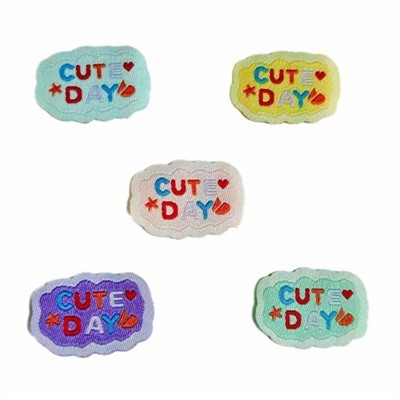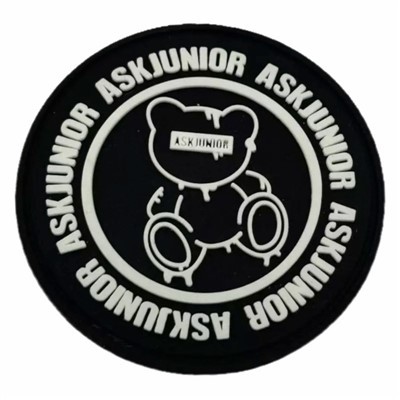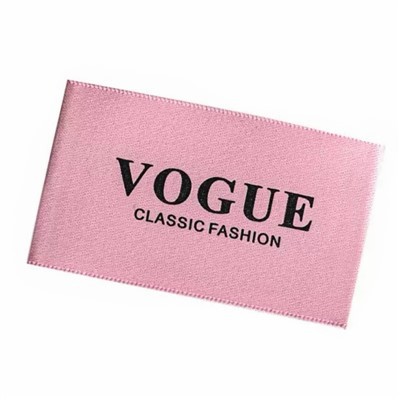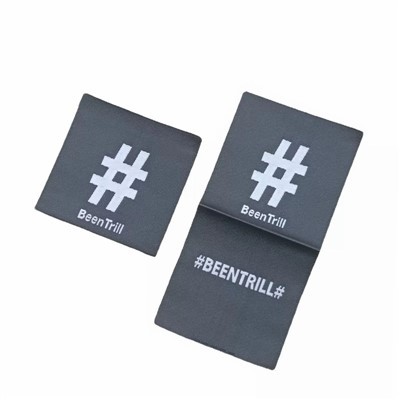

In the dynamic world of the fashion industry, garment labels serve as a crucial link between the brand, the consumer, and the product itself. They are not just mere tags; they carry a wealth of information that can vary significantly across different cultures. As a garment labels supplier, I have witnessed firsthand the diverse requirements and expectations that different regions have when it comes to label information. This blog post aims to explore the cultural differences in garment label information and how understanding these nuances can enhance the success of your fashion business.
Cultural Variations in Label Information
Language and Script
One of the most obvious cultural differences in garment label information is the language and script used. In countries where English is the primary language, labels are typically printed in English. However, in non - English - speaking countries, labels must be translated into the local language. For example, in France, garment labels are required to be in French, and in China, they are in Chinese. This is not only a legal requirement in many cases but also a matter of consumer convenience. Consumers are more likely to trust and purchase a product when they can understand the information on the label.
Moreover, the script can also vary. In countries like Japan, the use of Kanji, Hiragana, and Katakana characters on labels is common. These scripts have their own unique aesthetic and cultural significance. Brands need to ensure that the label design is compatible with the local script to make a positive impression on consumers.


Regulatory Requirements
Each country has its own set of regulations regarding garment label information. For instance, in the European Union, labels must include information such as fiber content, care instructions, country of origin, and size. The EU also has strict regulations on the use of certain chemicals in textiles, and labels must indicate if the product meets these standards.
In the United States, the Federal Trade Commission (FTC) has specific requirements for fiber content disclosure. Garment labels must list the percentage of each fiber in the product, and the fibers must be named according to the FTC's approved list. Additionally, care instructions must be provided in a standardized format.
In some Asian countries, there are regulations regarding the use of traditional cultural symbols on labels. For example, in India, the use of certain religious symbols on garments and their labels must be done with respect and in accordance with cultural norms.
Cultural Values and Aesthetics
Cultural values and aesthetics also play a significant role in determining the content and design of garment labels. In some cultures, simplicity is highly valued, and labels may be minimalistic in design, with only essential information. In contrast, other cultures may appreciate more elaborate and decorative labels.
For example, in the Middle East, gold and other precious metals are often associated with luxury and wealth. Garment labels in this region may feature gold - leaf accents or intricate patterns to convey a sense of opulence. In African cultures, bold colors and traditional patterns are commonly used on labels to reflect the rich cultural heritage.
Our Garment Labels Offerings
As a garment labels supplier, we understand the importance of catering to these cultural differences. We offer a wide range of label types to meet the diverse needs of our clients.
Die Cut Woven Labels are a popular choice for many brands. These labels are known for their durability and high - quality finish. They can be customized with various colors, fonts, and designs to suit different cultural preferences. Whether you need a simple label with basic information or a more elaborate design with cultural symbols, our die - cut woven labels can be tailored to your requirements.
Woven Loop Label is another option that offers a unique and stylish look. These labels are often used for high - end garments and can be used to display brand logos, product names, or other important information. The loop design adds an extra element of elegance and can be easily attached to the garment.
Mitre Fold Label is a versatile label that can be used for a variety of purposes. It is commonly used for care instructions and can be folded in a way that saves space while still providing all the necessary information. This type of label is suitable for different cultures as it can be easily customized with the appropriate language and format.
Understanding Your Target Market
To effectively meet the cultural needs of your target market, it is essential to conduct thorough market research. This includes understanding the local language, regulatory requirements, and cultural values. By working closely with a garment labels supplier like us, you can ensure that your labels are compliant with local regulations and resonate with your target consumers.
For example, if you are targeting the South American market, you need to be aware of the local languages (such as Spanish and Portuguese) and the specific regulatory requirements in each country. You may also want to incorporate elements of South American culture, such as traditional patterns or colors, into your label design.
The Importance of Cultural Sensitivity
Cultural sensitivity is crucial when it comes to garment label information. A label that is culturally insensitive can lead to negative reactions from consumers and damage your brand's reputation. For example, using a cultural symbol inappropriately or misspelling a word in the local language can be seen as disrespectful.
When designing labels, it is important to consult with local experts or cultural advisors to ensure that the label content and design are appropriate. This not only helps to avoid cultural faux - pas but also shows your commitment to respecting and understanding the local culture.
Conclusion
In conclusion, there are significant cultural differences in garment label information. These differences are influenced by factors such as language, regulatory requirements, cultural values, and aesthetics. As a garment labels supplier, we are committed to helping our clients navigate these differences and create labels that are both compliant and appealing to their target markets.
If you are in the fashion industry and are looking for high - quality garment labels that meet your specific cultural needs, we invite you to contact us for a procurement discussion. Our team of experts is ready to work with you to create labels that will enhance your brand's image and connect with your consumers on a deeper level.
References
- European Union regulations on textile labeling.
- Federal Trade Commission guidelines on garment label information in the United States.
- Cultural studies on fashion and labeling in different regions.