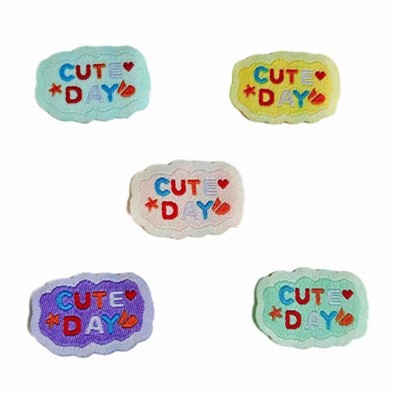

As a supplier of Adhesive Printed Patches, I understand the importance of proper storage to maintain the quality of these patches. Adhesive printed patches are a popular choice for various applications, including clothing, bags, and promotional items. However, if not stored correctly, they can dry out, lose their adhesive properties, and become less effective. In this blog post, I will share some tips on how to store adhesive printed patches to prevent them from drying out.
Understanding the Nature of Adhesive Printed Patches
Before delving into storage methods, it's essential to understand what adhesive printed patches are and how they work. Adhesive printed patches are created by printing designs onto a substrate with an adhesive backing. The adhesive allows the patch to stick to various surfaces, such as fabric, leather, or plastic. The quality of the adhesive and the printing process can significantly affect the longevity and performance of the patches.
Factors Affecting Patch Drying
Several factors can cause adhesive printed patches to dry out. These include:
- Temperature: High temperatures can cause the adhesive to lose its flexibility and dry out. Extreme cold can also make the adhesive brittle.
- Humidity: Low humidity levels can cause the adhesive to dry out, while high humidity can lead to mold growth and damage to the patch.
- Exposure to Air: Prolonged exposure to air can cause the adhesive to oxidize and dry out.
- Light: Ultraviolet (UV) light can break down the adhesive and fade the colors of the patch.
Optimal Storage Conditions
To prevent adhesive printed patches from drying out, it's crucial to store them in optimal conditions. Here are some guidelines:
- Temperature: Store patches in a cool, dry place with a temperature range of 60°F to 70°F (15°C to 21°C). Avoid storing patches in areas that are subject to extreme temperature fluctuations, such as attics, basements, or near heating vents.
- Humidity: Maintain a relative humidity level of 40% to 60%. You can use a dehumidifier or humidifier to control the humidity in the storage area.
- Air Exposure: Minimize the exposure of patches to air by storing them in airtight containers or sealed bags. This will help prevent the adhesive from drying out and protect the patch from dust and debris.
- Light: Store patches in a dark place or use opaque containers to protect them from UV light. This will help prevent the colors from fading and the adhesive from breaking down.
Storage Containers
Choosing the right storage container is essential for maintaining the quality of adhesive printed patches. Here are some options:
- Plastic Bags: Sealable plastic bags are a convenient and cost-effective option for storing patches. Make sure to remove as much air as possible from the bag before sealing it to prevent the adhesive from drying out.
- Plastic Boxes: Plastic boxes with tight-fitting lids are a good option for storing larger quantities of patches. They provide protection from dust, debris, and light.
- File Folders: File folders can be used to store individual patches or small groups of patches. They are a convenient way to organize and store patches, and they can be easily labeled for easy identification.
Additional Tips
Here are some additional tips to help you store adhesive printed patches effectively:


- Separate Patches: If you are storing multiple patches, make sure to separate them with a layer of tissue paper or wax paper to prevent them from sticking together.
- Label Patches: Label each patch or container with the design, size, and quantity to make it easy to find the patches you need.
- Check Patches Regularly: Check the patches regularly for signs of drying out, damage, or mold growth. If you notice any issues, take appropriate action to address them.
- Use Desiccants: Desiccants, such as silica gel packets, can help absorb moisture and prevent the adhesive from drying out. Place a few desiccant packets in the storage container to keep the patches dry.
Conclusion
Proper storage is essential for maintaining the quality and performance of adhesive printed patches. By following the tips outlined in this blog post, you can ensure that your patches remain in good condition and are ready to use when you need them. If you have any questions or need further advice on storing adhesive printed patches, please feel free to contact us. We are here to help you with all your patch storage needs.
References
- "Best Practices for Storing Adhesive Products." Adhesive Manufacturers Association.
- "How to Store Printed Patches." Crafting Magazine.
- "Tips for Storing Textile Patches." Textile Industry Journal.
Remember, if you are interested in purchasing Iron On Sublimation Patches, Adhesive Printed Patches, or Plastic Backing Printed Patches, please contact us for more information and to discuss your specific requirements. We look forward to working with you!