
As a supplier of Mitre Fold Labels, I often get asked about the water resistance of these labels. In this blog post, I'll delve into the details of what makes Mitre Fold Labels resistant to water, the factors that can affect their water resistance, and how this property impacts their use in various applications.
Understanding Mitre Fold Labels
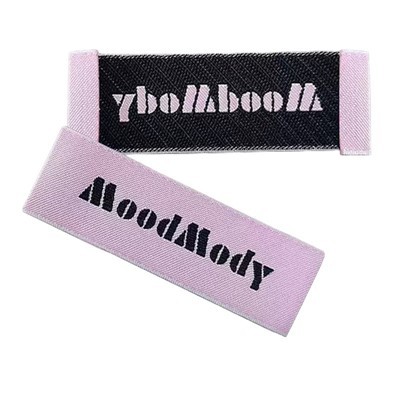
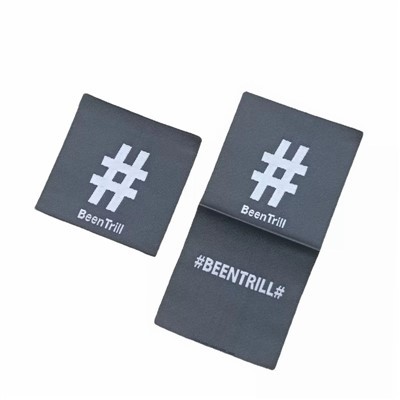
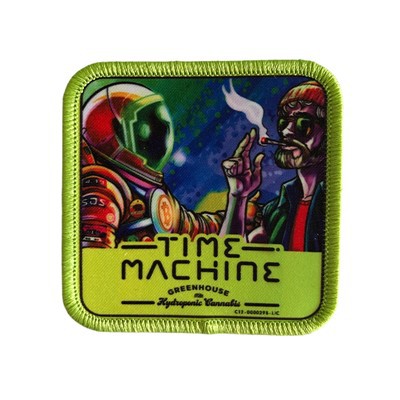
Mitre Fold Labels are a type of garment label known for their clean, professional look. They are folded in a mitre shape, which gives them a neat and finished appearance. These labels are commonly used in the clothing industry to display brand names, size information, care instructions, and other important details. Mitre Fold Label
Water Resistance Mechanisms
The water resistance of Mitre Fold Labels is primarily determined by the materials used in their production and the manufacturing processes.
Materials
- Woven Fabrics: Most Mitre Fold Labels are made from woven fabrics such as polyester, nylon, or cotton. Polyester and nylon are synthetic materials that have inherent water - repellent properties. Polyester fibers are hydrophobic, meaning they do not absorb water easily. This makes labels made from polyester highly resistant to water. Nylon also has good water resistance, although it can absorb a small amount of moisture under certain conditions.
- Coatings: In some cases, Mitre Fold Labels are coated with a water - resistant substance. These coatings can be applied during the manufacturing process to enhance the label's ability to repel water. For example, a silicone - based coating can create a protective barrier on the surface of the label, preventing water from penetrating the fabric.
Manufacturing Processes
- Sealing Edges: During the production of Mitre Fold Labels, the edges are often sealed to prevent water from seeping in. This is typically done using heat sealing or ultrasonic sealing techniques. By sealing the edges, the label becomes more water - resistant as it reduces the points of entry for water.
Factors Affecting Water Resistance
While Mitre Fold Labels are generally water - resistant, several factors can affect their performance in wet conditions.
Duration of Exposure
The longer a Mitre Fold Label is exposed to water, the more likely it is to be affected. Short - term exposure to water, such as a quick splash or light rain, may not have a significant impact on the label. However, prolonged immersion in water can cause the label to absorb moisture, leading to potential damage such as color fading, delamination, or loss of adhesion.
Water Temperature
The temperature of the water can also influence the water resistance of Mitre Fold Labels. Hot water can be more aggressive in breaking down the protective coatings and fibers of the label. For example, if a garment with a Mitre Fold Label is washed in hot water, the label may be more prone to damage compared to being washed in cold water.
Chemicals in Water
The presence of chemicals in water, such as detergents, bleach, or salt, can affect the water resistance of Mitre Fold Labels. Detergents and bleach can break down the protective coatings on the label, making it more vulnerable to water penetration. Saltwater can also be corrosive to the label materials, especially if the label is made from metal components or has a metallic finish.
Applications and Water Resistance
The water resistance of Mitre Fold Labels makes them suitable for a variety of applications.
Outdoor Clothing
In outdoor clothing, such as hiking gear, raincoats, and swimwear, Mitre Fold Labels need to withstand exposure to water. The water - resistant properties of these labels ensure that they remain legible and intact even when the clothing is exposed to rain, sweat, or immersion in water. This is crucial for providing accurate information to the wearer, such as care instructions and size details.
Industrial Clothing
Industrial clothing, such as work uniforms and safety gear, often comes into contact with water and other liquids. Mitre Fold Labels on industrial clothing need to be resistant to water to ensure that important information, such as safety warnings and company logos, is not lost or damaged.
Comparing with Other Label Types
When compared to other types of labels, such as Die Cut Woven Labels and Woven Printed Garment Labels, Mitre Fold Labels generally have better water resistance. Die Cut Woven Labels may have exposed edges that are more susceptible to water penetration, while Woven Printed Garment Labels may have printing that can be affected by water. However, the specific water resistance of each label type can vary depending on the materials and manufacturing processes used.


Maintaining Water Resistance
To maintain the water resistance of Mitre Fold Labels, proper care is essential.
Washing Instructions
It is important to follow the washing instructions provided on the label itself. Using mild detergents and cold water can help preserve the water - resistant properties of the label. Avoid using harsh chemicals or bleach, as these can damage the label's protective coatings.
Drying Methods
After washing, it is recommended to air - dry the garment with the Mitre Fold Label. High - heat drying methods, such as using a dryer on high heat, can damage the label and reduce its water resistance.
Conclusion
The water resistance of Mitre Fold Labels is an important property that makes them suitable for a wide range of applications, especially in environments where exposure to water is common. By understanding the factors that affect their water resistance and taking proper care of these labels, you can ensure that they remain in good condition and continue to provide valuable information.
If you are interested in purchasing Mitre Fold Labels or have any questions about their water resistance or other properties, please feel free to contact us for a detailed discussion. We are committed to providing high - quality labels that meet your specific needs.
References
- Textile Chemistry and Technology: An Introduction, Reinhold Publishing Corporation
- Handbook of Textile Fibre Structure, Woodhead Publishing Limited